
Photo Flights And Ramp Shoots
Photography From The Air
Want to capture Sacramento from the air? Book a discovery flight and bring your phone or a compact camera. Your instructor briefs you before take-off on using it safely on board, and the route and the light depend on the weather and on the pilot in command. If it is portraits with the aeroplane you are after, we also do photoshoots on the ramp.
The Flight You Book
It is a discovery flight — $200 for one guest, $300 for two or three, about 45 minutes in the air — flown from McClellan along the American River, past the Sacramento skyline at a safe distance, and back. You sit in the left seat with a certified instructor beside you, and you are welcome to bring a camera.
- Bring your own camera. A handheld phone, a compact or a small action camera is fine once your instructor has briefed you on it.
- Your photographs are yours. Anything you shoot on your own device belongs to you, and we neither receive nor store it.
- A guest can be the photographer. On the $300 option any of your two or three guests can be whoever you like, camera included.
- The route and the light are decided on the day. The pilot in command flies the aeroplane, so weather and safety set what is possible rather than a shot list.
A Plane, A Drone Or A Helicopter
Search for aerial photography in Sacramento and almost everything that comes back is a drone operator. For a lot of jobs that is the right answer, and it is worth knowing which jobs those are before you book an aeroplane.
The dividing line is altitude, and it is drawn by regulation rather than by preference. A small drone flown commercially is held at 400 feet above the ground, has to stay within sight of the person flying it, and needs an airspace authorisation anywhere near an airport. An aeroplane works from the other side of that line: away from built-up areas it stays at least 500 feet from any person, vehicle or structure, and over a congested area it stays 1,000 feet above the highest obstacle within 2,000 feet of it. Very little is legal in between.
- One house, one roof, one small lot — that is a drone. It can hold still eighty feet above the ridge line. We cannot.
- A ranch, a vineyard, a subdivision, a construction site, a stretch of the river — that is an aeroplane. One pass frames what a drone would need a mosaic and most of a day to cover.
- Something twenty miles out, or five places in one afternoon — an aeroplane. We travel at roughly two miles a minute; a drone has to be driven to each site and set up again.
- Downtown, the Tower Bridge, the delta, the Sierra on a clear day — an aeroplane, because those frames need height and distance rather than proximity.
- What this is not is a survey or mapping contract. It is a discovery flight with a camera in it, priced at $200 rather than at a commercial rate — for comparison, a Bay Area helicopter photo flight advertises from $550 per person with a two-person minimum.
Photographing One Particular Place
If you have a specific target — a property, a site, a piece of land, the house you grew up in — send us the address when you book rather than describing it on the ramp. A look at the chart beforehand is what turns a general sightseeing route into a pass over the thing you came for.
Two things decide whether it happens the way you imagined. The first is airspace: parts of the Sacramento area sit under controlled airspace worked by air traffic control, and where that applies the route and the height are agreed with them rather than with us. The second is the minimum altitudes above — over a built-up neighbourhood we are a thousand feet up whether or not that is the frame you wanted. Neither is negotiable, and both are easier to plan around a week ahead than on the morning.
- A postal address, a dropped pin or a set of coordinates is enough. Send it with the booking.
- Say which side of the subject you want the light on, and we can tell you what time of day that means.
- Expect several passes rather than one. Coming round again from a fixed distance is normal, and it is why forty-five minutes suits one or two places rather than six.
- Ask before you assume it is impossible. A good deal of the valley is quiet airspace at a thousand feet on a weekday morning.
Cameras And Mounts
The Cessna 172S is a high-wing aircraft, which is exactly what you want for looking down and photographing the ground. Side windows stay closed in flight.
- Welcome after a briefing: a handheld phone, a compact camera or a handheld action camera.
- By prior written approval only: suction mounts, rigid mounts and externally mounted cameras. Ask us well before the day, and bring nothing that could reach the controls or come loose in the cabin.
Shooting Through The Window
The side windows stay closed in flight, and the next question every photographer asks is what that costs the picture. Less than you would expect, once you know what actually spoils a frame taken through glass.
- Reflections are the problem, not the glass. Wear dark clothes, keep pale things off your lap and off the top of the panel, and shade the window with a lens hood or your free hand.
- Do not press the lens against the window. The airframe vibrates and the glass passes that straight into the camera. Hold it an inch clear and let your arms absorb it.
- A polarising filter can work against you. Aircraft windows are stressed acrylic, and a polariser will sometimes lay rainbow banding across an otherwise clean sky. Bring one if you like, but take a frame with and without before you commit.
- Shutter speed matters more than anything else you set. A thousandth of a second or faster removes the vibration; open the aperture and lift the ISO to get there rather than the other way round.
- Wide to short telephoto covers almost everything. Long glass magnifies the vibration and gives you a narrow slice of haze — a 24–70 equivalent, or simply a phone, is what most people end up shooting.
- Autofocus hunts on distant haze. If the camera allows it, focus manually near infinity and leave it there.
Marking An Occasion
A birthday, an anniversary, a proposal at 3,000 feet — a discovery flight makes a good setting for all of them, and a small pre-agreed card or a ring inside the cabin is no trouble at all. Tell us the occasion when you book and we will plan the slot around it.
For safety and under the rules we fly by, nothing may be attached to the outside of the aircraft or released in flight: no banners, dropped objects, smoke or pyrotechnics, and doors stay closed.
Gift certificatesSeats, Weights And Who Can Come
Four seats, one for the instructor, so up to three guests. We plan to a guideline of about 250 lb per guest and 450 lb for the group, with roughly 10 lb of secured baggage — the pilot in command confirms it with a weight-and-balance calculation before the flight.
The minimum age is 12, and anyone under 18 needs a parent or guardian’s signed consent, with an adult present at check-in.
Light, Haze And When To Fly
The Sacramento Valley is not a neutral place to photograph from. The difference between a frame worth keeping and a flat one is usually the hour you booked rather than the camera you brought.
If the weather stops us, the instructor makes that call — not you and not a forecast app, and sometimes only on the morning of the flight. A weather cancellation is a free reschedule or a full refund, whichever you would rather have, and it does not use up a reschedule of your own.
- The first two hours after sunrise are the best of the day for most of the year. The air is smoothest then, the light is low and long, and the summer haze has not built up yet.
- The last two hours before sunset give you the same angle with more warmth and more turbulence. Both are perfectly flyable; the bumps only change how many frames you keep.
- Midday in summer is the slot to avoid. Overhead light flattens everything, heat haze softens the distance, and thermals off the valley floor make for a busier ride.
- Winter mornings can be fogged in. Tule fog sits in the valley from roughly November to February and burns off late or not at all, so a mid-morning slot is the safer booking in those months.
- The clearest air comes after rain. The day a front moves through is when the Sierra shows up from over the city, and that is not something anyone can schedule a month ahead — keep the date loose if that is the shot you want.
Photoshoots On The Ramp
If what you want is photographs of a person with an aeroplane rather than photographs taken from one, that is a shoot on the ramp beside the aircraft — portraits, graduations, milestones, or the aircraft itself. It happens on the ground, so the weather matters far less and the light is yours to choose.
Tell us what you have in mind, roughly how long you need and whether you are bringing your own photographer, and we will quote it and find a slot when the aircraft is on the ramp.
Ask us about a shootWhat It Costs
A discovery flight is $200 for one guest and $300 for two or three, with no surcharge for a slot near sunset — book early, because those go first. A ramp photoshoot is quoted on its own, because it depends on how long you need the aircraft and how many people are coming.
Full rate cardShot Here, Posted There
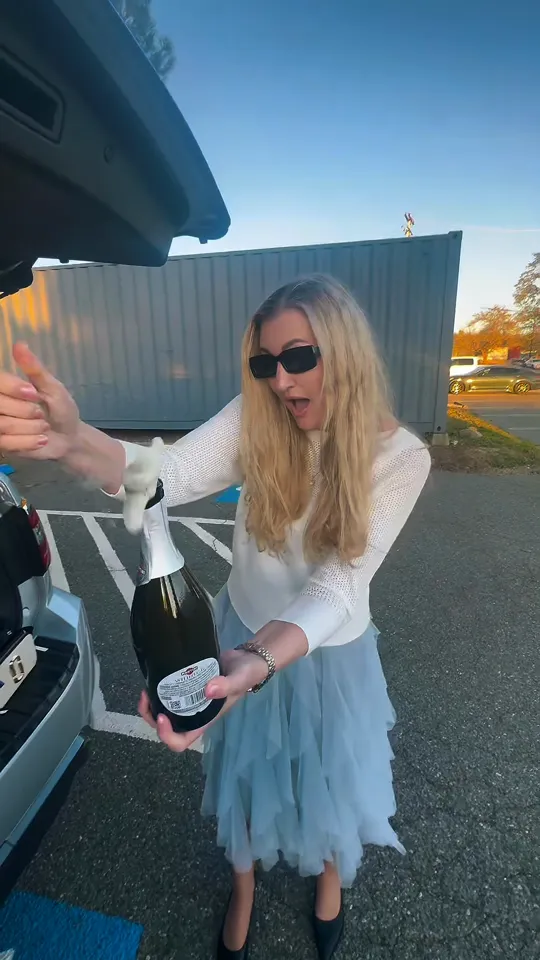
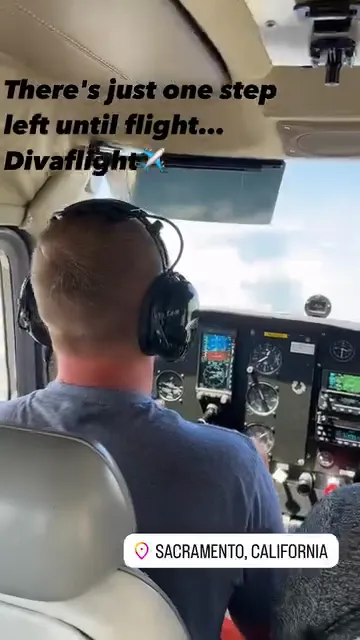
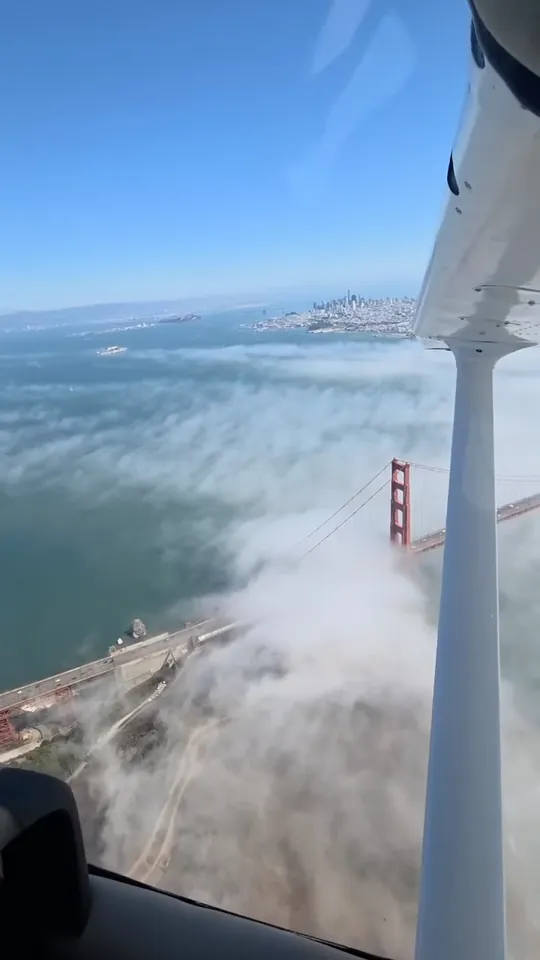
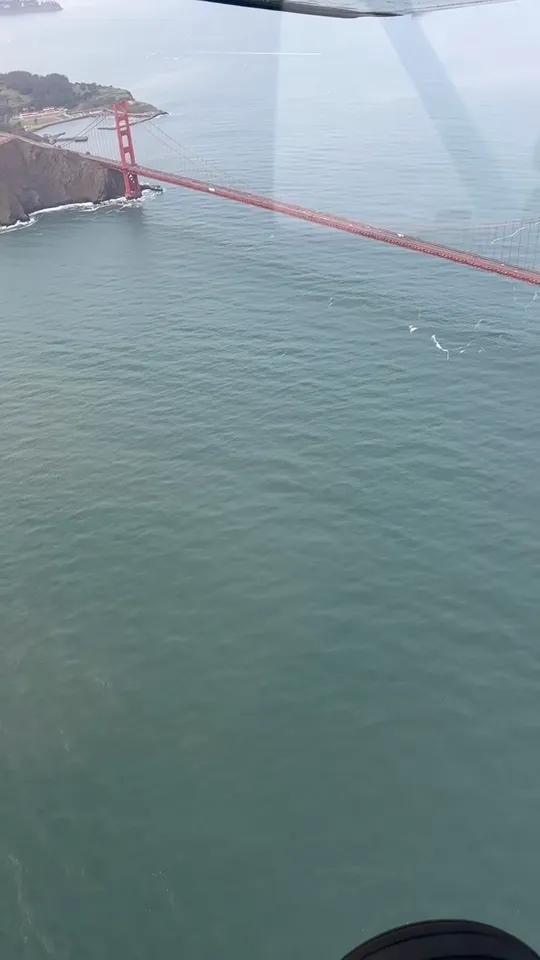
Photoshoots and celebrations from the school’s Instagram — the kind of pictures this page is selling.
How much does an aerial photo flight cost?
$200 for one guest and $300 for two or three, for about 45 minutes in the air, with no surcharge for a slot near sunrise or sunset. There is nothing extra for bringing a camera. A photoshoot on the ramp is quoted separately, because it depends on how long you need the aircraft and how many people are coming. For comparison, a Bay Area helicopter photo flight advertises from $550 per person with a two-person minimum.
Can I open the window to shoot?
No — the side windows stay closed in flight. You shoot through the glass, which is workable once you know the technique: dark clothing so you are not reflected back at yourself, the lens held an inch clear of the window rather than pressed against it, and a shutter speed of about a thousandth of a second. The Cessna 172S is a high-wing aircraft, so nothing sits between you and the ground.
How low can you fly over a property?
Away from built-up areas the aircraft stays at least 500 feet from any person, vehicle or structure. Over a congested area it stays 1,000 feet above the highest obstacle within 2,000 feet of it. Those are the FAA minimum safe altitudes in 14 CFR 91.119 and they are not negotiable. If you need a frame from below that, you need a drone rather than an aeroplane.
Can I choose where we fly?
Send us the address, a pin or the coordinates when you book and we will look at the chart before the flight. Airspace, the minimum altitudes and the weather on the day set what is possible, and the pilot in command has the final say — but a target known in advance is a very different flight from one described on the ramp.
Who is flying the aircraft while I shoot?
A certified flight instructor, throughout. You normally sit in the left seat and can fly as much or as little as you want; if you would rather concentrate on the camera, that is fine. On the $300 option any of your two or three guests can be the photographer.
How long does it take?
About 45 minutes in the air, and allow roughly 90 minutes at the airfield in total — there is a briefing, a walk-around and a debrief either side of the flight itself.
What equipment should I bring?
A handheld phone, a compact camera or a small handheld action camera, once your instructor has briefed you on using it on board. A wide to short telephoto covers almost everything; long lenses magnify the airframe vibration. Suction mounts, rigid mounts and externally mounted cameras need prior written approval, so ask well before the day.
Is a ramp photoshoot the same booking as a flight?
No, they are separate. A ramp shoot happens on the ground beside the aircraft — portraits, graduations, the aeroplane itself — with no flight involved, so the weather matters far less and you choose the light. It is quoted on its own. Tell us how long you need and whether you are bringing your own photographer.
Tell Us The Occasion
Book Your Flight
Call and tell us what you have in mind — the occasion, who is coming, and when you would like to fly — and we will find you a slot.