

Two Numbers, Not One
How Long A Private Pilot Certificate Takes
The full answer has two numbers in it, and people usually ask only about the first. Flight hours is what schools quote. Calendar time is what you actually live through. They are related, but not the way most people assume — and the thing that connects them is almost entirely in your hands.
The Flight-Hours Number
The FAA legal minimum for a private pilot certificate under Part 61 is 40 flight hours. Almost nobody finishes in 40.
We plan around 65 to 75 hours. That is not pessimism and it is not padding — it is the number we use in our own cost estimate, because quoting you 40 and then billing you for seventy would be a way of understating the price by several thousand dollars.
The 40-hour minimum assumes a student who never has a bad lesson, never loses ground between flights, and needs no repetition anywhere. The minimum exists to define a floor, not to predict an outcome.
Within that we plan on roughly 50 hours flown with an instructor beside you and the balance flown solo, plus about 25 hours of ground instruction. All of it is billed at the same $110, in the air or at a table.
The 40 is not our number and we cannot move it: it is set in 14 CFR 61.109, along with how much of it has to be dual, solo, cross-country and at night. Read it yourself rather than taking our word for it — that is what it is published for.
14 CFR 61.109 — aeronautical experienceThe Calendar-Time Number
Here is the part that surprises people: two students can both need seventy hours and finish nine months apart. The difference is frequency. Flying is a motor skill, and motor skills decay between repetitions. A lesson that starts with twenty minutes of recovering what you could do last time is a lesson that bought you very little.
Two lessons a week
Each lesson mostly builds on the last. This is the fastest realistic pace for someone with a job, and it is the pace that gets closest to the hours estimate.
One lesson a week
Steady, sustainable, and what most of our students actually do. Progress is real but you will spend some of each lesson warming back up.
Once or twice a month
You will still get there, but on considerably more than seventy-five hours, because a meaningful share of every lesson goes on re-learning. This is the most expensive way to train, and the cost is hidden inside the hours rather than the rate.
The rate is the same either way: $110 an hour, all in. Frequency does not change what you pay per hour. It changes how many hours you buy.
How lessons are scheduled hereWhat Else Moves The Date
Most of what stretches a timeline happens on the ground, and half of it can be dealt with in month one.
Weather
We are in the Sacramento Valley, which is kinder than most places for flying, but lessons still get cancelled — for wind, for visibility, for summer haze, for winter fog. A cancelled lesson is rescheduled free and does not count against the two reschedules a booking allows. Build the occasional lost weekend into your expectations rather than into your frustration.
Aircraft and instructor availability
Training here is built around continuity: the same instructor every lesson and the same panel every flight, which is what keeps a schedule from resetting. Weekend slots go first, so ask for a repeating slot at the start rather than booking week to week — the students who do finish on the fewest hours.
The FAA medical certificate
You need one before you fly solo, and it comes from an aviation medical examiner, not from us. Budget about $150. Get it early: if there is a condition that needs extra paperwork, finding that out in month one is much better than finding it out the week before your first solo. This is the single most common avoidable delay we see.
FAA medical certificationThe knowledge test
The FAA written test — about $175 at a testing centre — is scheduled by you, and studying for it is largely self-paced. Most students use an online ground course, roughly $300, alongside the briefing and debrief time that comes with every lesson. Students who leave the theory until the end almost always stall there. Students who work through it in parallel with flying do not.
The checkride
Your final test is flown with a designated pilot examiner — an independent examiner, not one of our instructors — and you pay them directly, roughly $900 to $1,200. Examiner availability is outside our control and is not always quick. When you are close to ready, ask about scheduling it before you are actually ready.
Life
The most common reason a certificate takes two years instead of one is a three-month gap in the middle of it — a work project, a move, a new baby. It is not a failure and it is very normal. It is just worth knowing in advance that the gap costs hours, not just weeks.
The Stages You Pass Through
Every student goes through these, at their own pace.
Pre-solo
Aircraft handling, take-offs and landings, and the emergency procedures you must be able to do alone. Ends with a first solo, which is the milestone everybody remembers.
Solo practice and cross-country
Building experience alone and learning to plan and fly a route to another airport, first with your instructor and then without.
Test preparation
Polishing the manoeuvres to the FAA’s standards, plus night flying and a small amount of basic instrument work.
Checkride
An oral examination and a flight test with a designated pilot examiner.
What each stage involves in detail is on the private pilot training page.
A Plan You Can Check, Not A Date
Instead of a finish date, you get a plan with a stage review at every step of it.
How quickly you finish rests on things that move week to week — how often you fly, how fast the skill lands for you, the weather, the examiner’s diary, your medical. A date fixed at the start would tell you nothing useful about any of them.
So your instructor tells you where you actually are. At each stage review you will hear plainly whether you are on track for the hours we planned around, and if you are not, why, and what would change it.
Meet the instructorsThe Realistic Version
If you can fly once or twice a week, keep the medical and the written test off your critical path, and accept that a few lessons will be lost to weather, you are looking at a normal, unremarkable path to a certificate on somewhere in the 65 to 75 hours we plan for.
If you can only fly occasionally, you will still get there — it will simply cost more, and knowing that up front is better than discovering it at hour 70.
Part 61 vs Part 141 — why the rule set matters less than the frequencyIf you have not flown a small aircraft yet, the guide worth reading next is the one about the first visit: what happens on a discovery flight, start to finish.
What happens on a discovery flightFrom The Flight Line
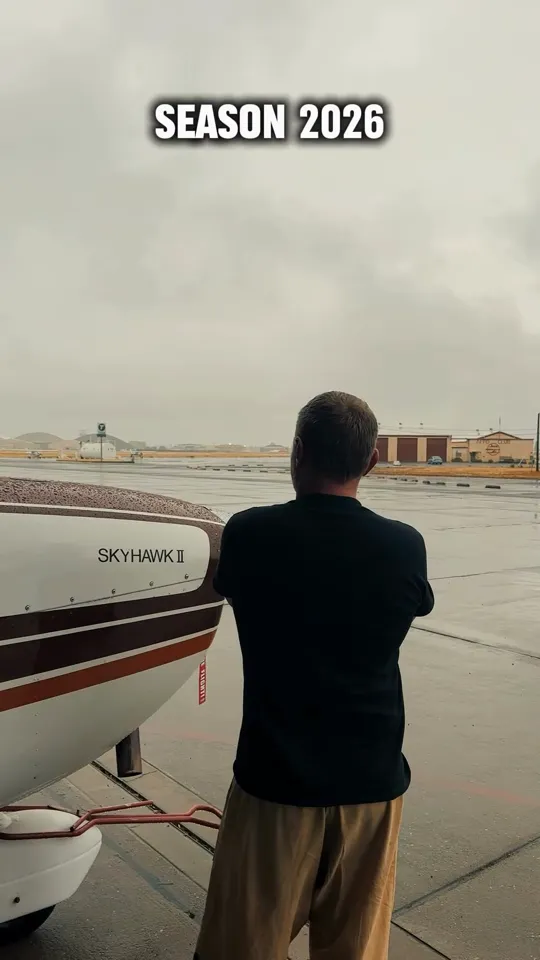
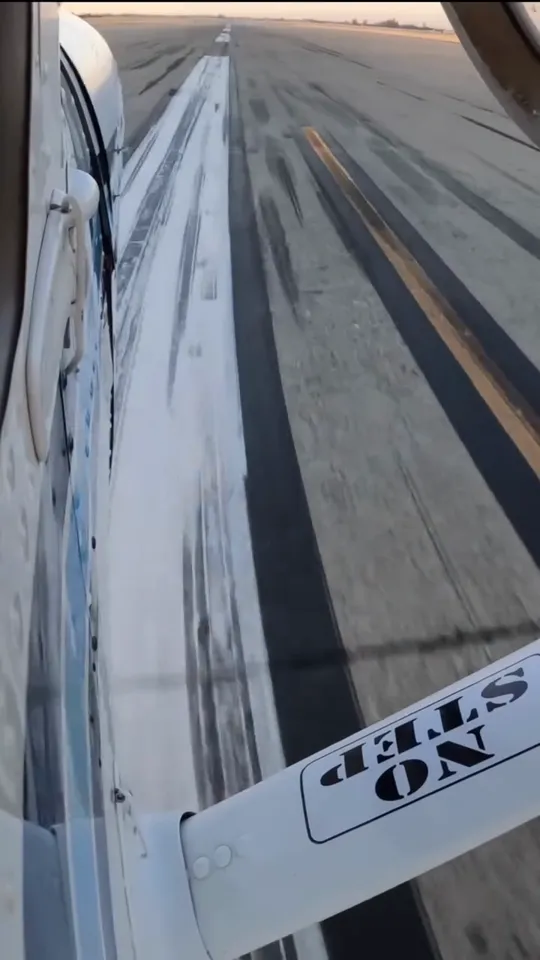
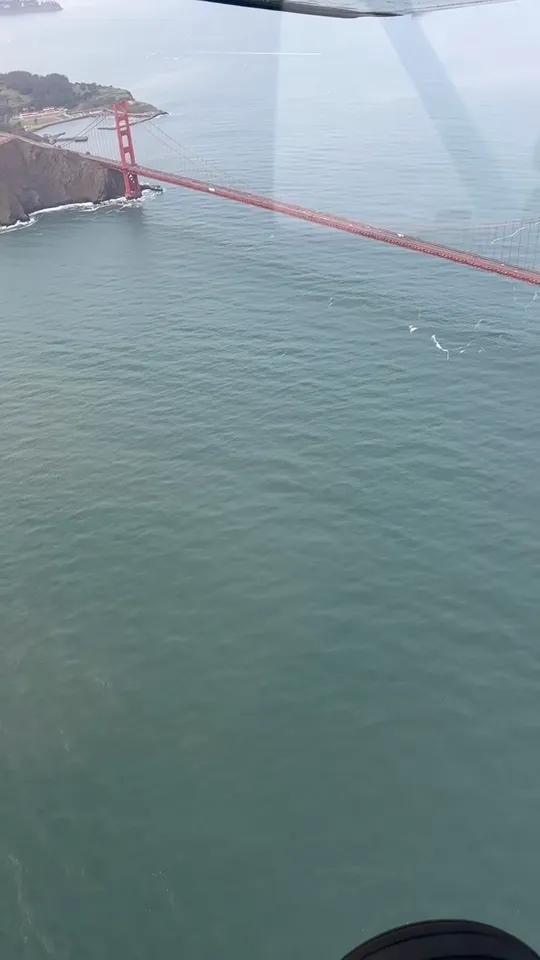
The school as it flies — straight from its Instagram.
Or Ask Someone Who Teaches It
Ready To Fly?
Book a discovery flight, or talk to an instructor first — call (279) 777-9570 Monday to Friday between 10:00 AM and 5:00 PM.