

Commercial Pilot · CPL ASEL · Part 61
Commercial Pilot Training
The commercial certificate, single-engine land, trained in our Cessna 172S. You will need a private certificate to start, and we strongly recommend holding the instrument rating first.

What The Training Costs
$8,000–$15,000typical total budget
The school's own planning range, and a wide one for a reason: what determines your total is how many hours you are missing when you start. It excludes the $175 knowledge test paid to the testing centre and the examiner’s fee. A planning range, not a package price.
- $110
- an hour of flight education, all in
- ~$175
- knowledge test, paid to the centre
And What We Don’t
The short version of what we teach at commercial level, so you can see straight away where we fit.
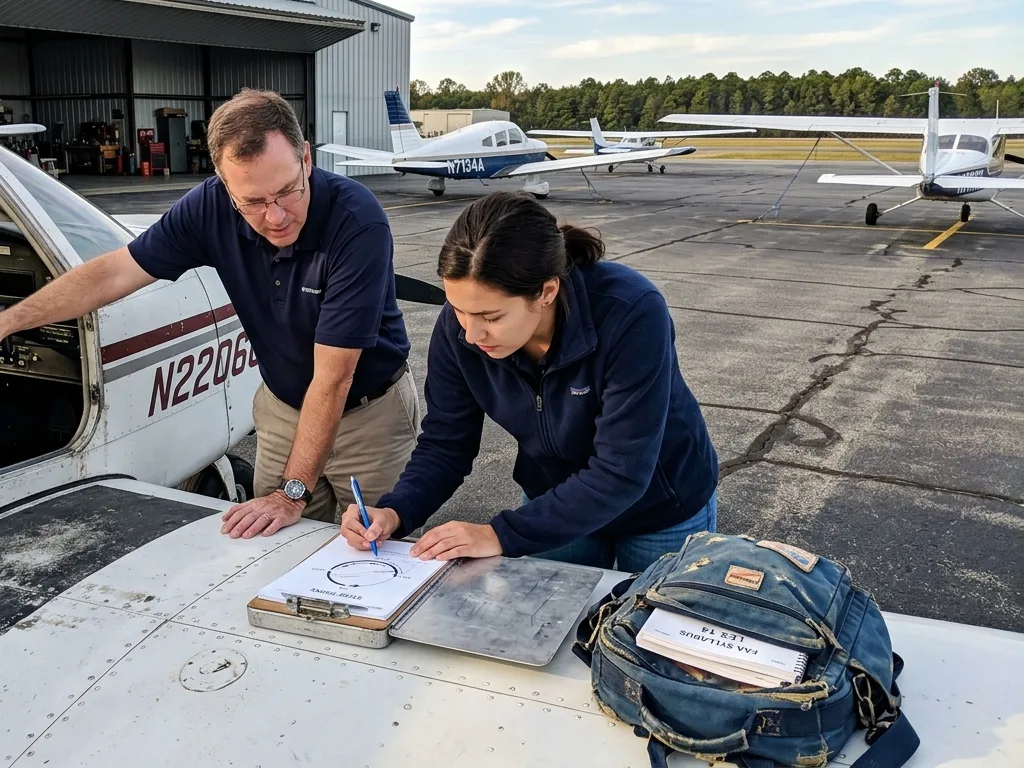
- Commercial pilot, single-engine land (ASEL) — the certificate this page is about.
- Instrument rating — taught here, and in practice the step most pilots take first.
- CFI and CFII — the instructor ratings, taught here too.
- Multi-engine and the MEI — flown here, in the school’s Piper PA-44 Seminole.
Time building is rental work rather than instruction, and it is billed as rental: $120 an hour wet rather than the $110 an hour that has an instructor in it. Tell us what is in your logbook and we will tell you what is left to fly with us and what it would cost.
How the certificate breaks down, and where we come in.
Time Building And Training Are Two Budgets
The commercial certificate carries a substantial aeronautical experience requirement, and for most pilots the bulk of the cost is accumulating that time rather than the training itself. Planning them as two separate budgets is what keeps the total from surprising you.
Hour building is rental flying rather than instruction, so it is billed at the rental rate: $120 an hour wet, after a checkout, with nobody in the right seat. It is the cheaper of the two numbers on this page for exactly that reason — and the hours you fly that way count the same in the logbook.
That part is what we do: the manoeuvres, the commercial standards, checkride preparation, and the instrument rating alongside it.
How aircraft time works hereHow the Training Runs
We work from a written syllabus with lesson grades and stage reviews, logged in Flight Schedule Pro. You are assigned one primary instructor and fly with them through the certificate, with the second as backup.
Commercial training is largely about precision: manoeuvres flown to tighter tolerances than the private standard, and a much higher expectation of how you plan, brief and self-assess. Most of the work is in getting consistent rather than in learning something new.
We fly every day, 7 AM to 7 PM, including weekends. Ground sessions are scheduled around your flying rather than in fixed classes.
The aircraft you’ll flyWho Teaches It
Denis Vyatkin, who oversees the commercial and instructor stages, and Sergio, each teaching to the commercial standard in the school’s Cessna 172S.
Meet the instructorsWhat the Estimate Assumes
The $3,400 figure is the training, excluding time building. It is a planning estimate, not a package price, and it assumes you arrive with the required experience or build it elsewhere. What actually determines your total is how many hours you are missing when you start. Prices last updated August 13, 2026.
The full rate cardWhat You Need Before You Start
The commercial certificate has entry conditions of its own, and they are the FAA’s rather than ours. Worth checking them against your own situation before you build a budget around the certificate.
- Eighteen years old by the time of the checkride.
- Able to read, speak, write and understand English — the rule is written that way because the radio work depends on it.
- At least a private pilot certificate, single-engine land, already in hand. This is not a certificate anyone starts from zero.
- A medical certificate. A second-class medical is what exercising commercial privileges requires; your instructor will tell you when in the process to get it rather than leaving you to guess.
- The instrument rating is not legally required for the certificate — but a commercial certificate issued without it carries a limitation on the face of it: no carrying passengers for hire on cross-countries of more than 50 nautical miles, and none at night. That limitation is the reason we recommend the rating first, rather than a preference of ours.
How Long It Takes
The most common question about this certificate, and the honest answer is that it is an hours problem rather than a calendar problem. The single-engine commercial certificate requires 250 hours of total time and 100 hours as pilot in command, and where your logbook stands against those two numbers decides everything else.
Most pilots finish the private certificate somewhere between 55 and 75 hours. That leaves roughly 175 to 195 hours still to accumulate — the great majority of the wait, and almost none of it instruction.
So the calendar is set by how often you fly. Eight hours a month puts 250 about two years away. Twenty hours a month puts it inside a year. The instructor-led part at the end — the commercial manoeuvres, the tighter tolerances, checkride preparation — is short by comparison and measured in weeks once the hours are behind you.
We fly every day, 7 AM to 7 PM, so the school is rarely the constraint. Weather and how much flying you can afford in a given month are.
14 CFR 61.129 — commercial aeronautical experienceIs Thirty-Five Too Late
A fair question, asked often, and the answer is plain: the certification rules set a minimum age and no maximum. Nothing in them stops you starting at 35, at 50, or later.
What decides it at any age is the medical. It is a scheduled examination you renew rather than a single hurdle, and anything in your history that would end the plan is far better found in an examiner’s office in your first month than after two years of paying for hours. If you are unsure about something, get the medical done first and build the budget afterwards.
The real cost of starting later is not eligibility, it is seniority. Airline pay, schedules and equipment are allocated by hire date, so beginning at 35 rather than 22 shows up at the far end of a career rather than at the start of one. Flying that is not airline flying — instructing, aerial work — does not run on a seniority list at all.
In practice the question people at 35 are really asking is whether they can fly often enough alongside a job to keep the hours moving. That is a scheduling problem, and it is the part of this we can actually do something about: every day, 7 AM to 7 PM, weekends included.
FAA medical certificationWhether It Pays Back
People looking at this certificate also look up what pilots earn, and the figure that comes back is usually a very large one. It is worth being precise about where that number lives: the highest airline salaries belong to captains on the largest aircraft at the major carriers, at the top of a seniority list, decades in. It is the end of a career, not the pay for holding this certificate.
What the commercial certificate changes on the day you earn it is narrower and more useful. You may be paid to fly. That is the whole of what it does.
The gap between the hours this certificate needs and the hours an airline hires at is a wide one, and the ordinary way pilots cross it is by being paid for the flying rather than paying for it — most often as an instructor. That is why the flight instructor certificate is the usual next step rather than an afterthought: it turns hour building from the largest line in the budget into income.
We are a two-instructor school at McClellan, not a career placement programme. We cannot promise you a job, a salary, or a date by which you will have either, and it is worth being careful with anyone who does. What we can do is read your logbook with you and tell you what is left, what it costs here, and the order to do it in.
The instructor certificateUs Or A National Academy
Search for commercial training and most of what comes back is national academies selling a single zero-to-airline programme, quoted as a monthly payment and run full-time at one of dozens of locations. It is a different product from this one, and for some people it is the right product. The distinction is worth drawing before you spend anything.
- An academy is full-time, on a fixed curriculum, financed as one large sum and committed to before the first lesson. It is the fastest route on the calendar, and it is built for someone who can stop working for a year or more.
- Here, training is $110 an hour under Part 61, paid for as you fly it. Nothing is prepaid, nothing expires, and stopping for three months costs you currency rather than money. It fits around a job, which is what most people starting this in their thirties actually need.
- What we do not have: an airline placement pipeline, financing, or a fleet sized for a career track. Two instructors, four aircraft, and one Piper Seminole for the twin.
- If you hold a private certificate, have hours to build and a job you are not leaving, this shape works. If you want to be at an airline as fast as the calendar allows and can commit to full-time training, an academy will get you there sooner — and we would rather say that than sell you the wrong thing.
How long does it take to become a commercial pilot?
It depends on your logbook rather than on a course length. The certificate needs 250 hours of total time and 100 as pilot in command, and most pilots leave the private certificate with 55 to 75. Building the remaining hours is the wait: eight hours a month puts it about two years out, twenty hours a month puts it inside a year. The instructor-led part at the end is measured in weeks.
How much does it really cost, all in?
Two rates, and the difference between them is who is in the right seat. Instruction here is $110 an hour, all in, and the school plans a total in the $8,000 to $15,000 range depending on how many hours you are missing when you start; the knowledge test is about $175 to the testing centre and the examiner charges separately. Hour building is rental rather than instruction, so it is $120 an hour wet and you fly it alone. Tell us what is in your logbook and we will work a realistic figure through with you.
Is 35 too late to become a pilot?
No. The certification rules set a minimum age and no maximum, and the medical is what actually decides eligibility at any age. Starting later costs you seniority at an airline, because that is allocated by hire date — it does not cost you the certificate.
What kind of pilots make $400,000 a year?
Captains on the largest aircraft at major airlines, at the top of a seniority list built over decades. It is the far end of a career rather than what this certificate pays on the day you earn it. What the commercial certificate changes immediately is narrower: you may be paid to fly.
Can I train for this while working full time?
Yes, and it is how most people here do it. Nothing is prepaid and nothing expires, so you fly when the month allows. We fly every day from 7 AM to 7 PM including weekends, so the limit is usually your diary and the weather rather than our availability.
Do I need the instrument rating before the commercial certificate?
Not legally — but a commercial certificate issued without an instrument rating carries a limitation prohibiting carrying passengers for hire on cross-countries over 50 nautical miles and at night. That is why we recommend holding the rating first.
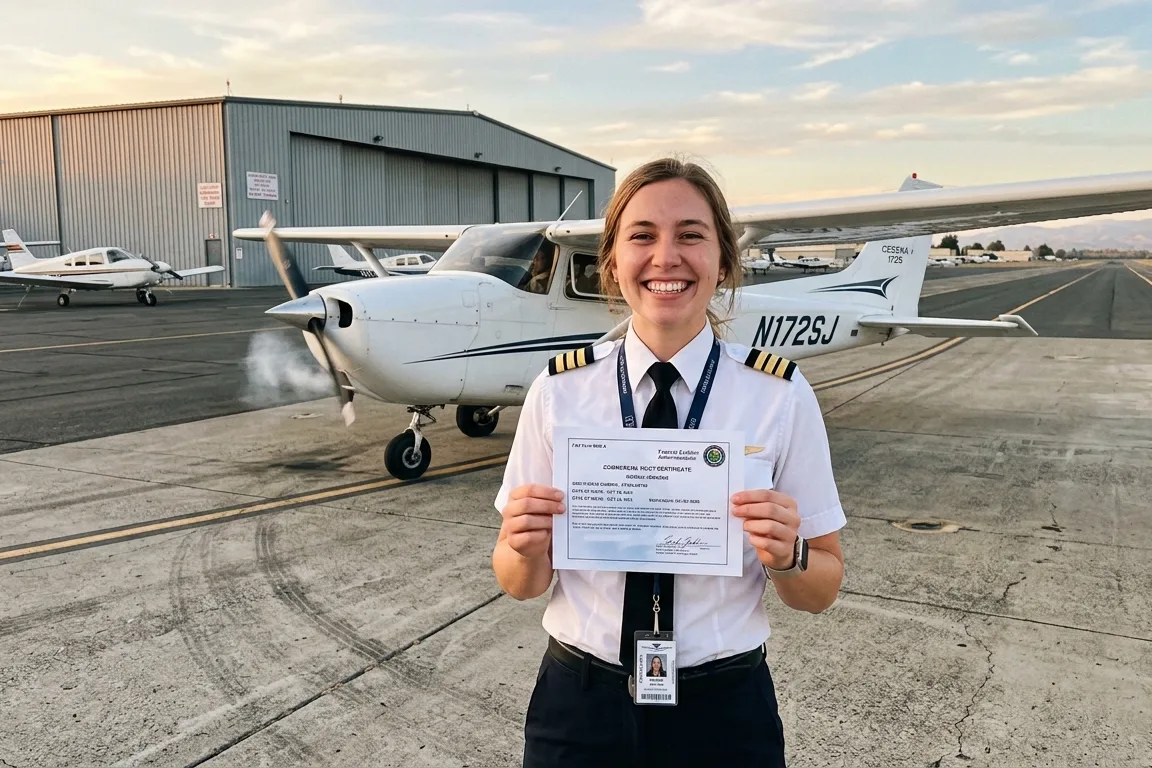
How It Runs
Precision, Not New Material
Commercial training is largely about precision: manoeuvres flown to tighter tolerances than the private standard, and a much higher expectation of how you plan, brief and self-assess. Most of the work is in getting consistent rather than in learning something new.
A written syllabus with lesson grades and stage reviews, logged in Flight Schedule Pro. One primary instructor through the certificate, with the second as backup. We fly every day, 7 AM to 7 PM, including weekends.
The Work Behind The Licence
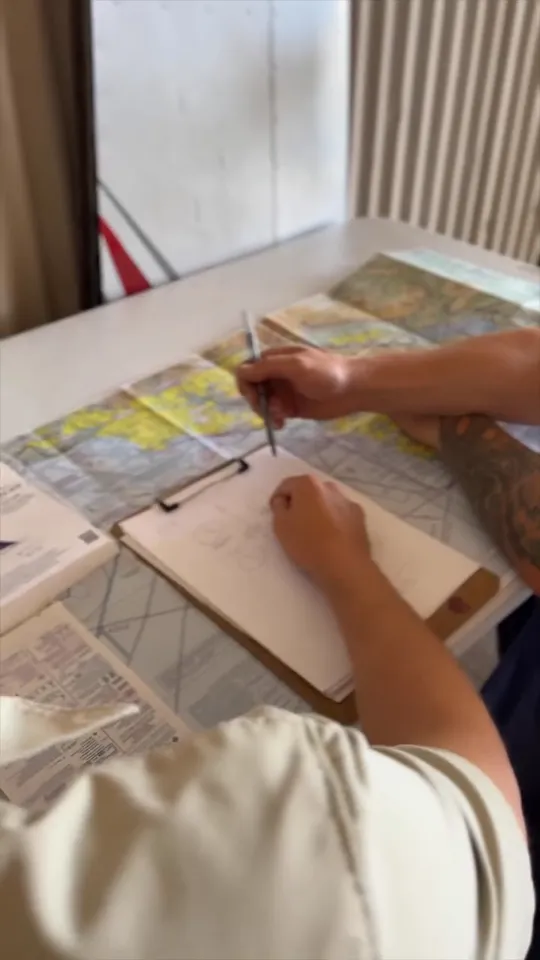
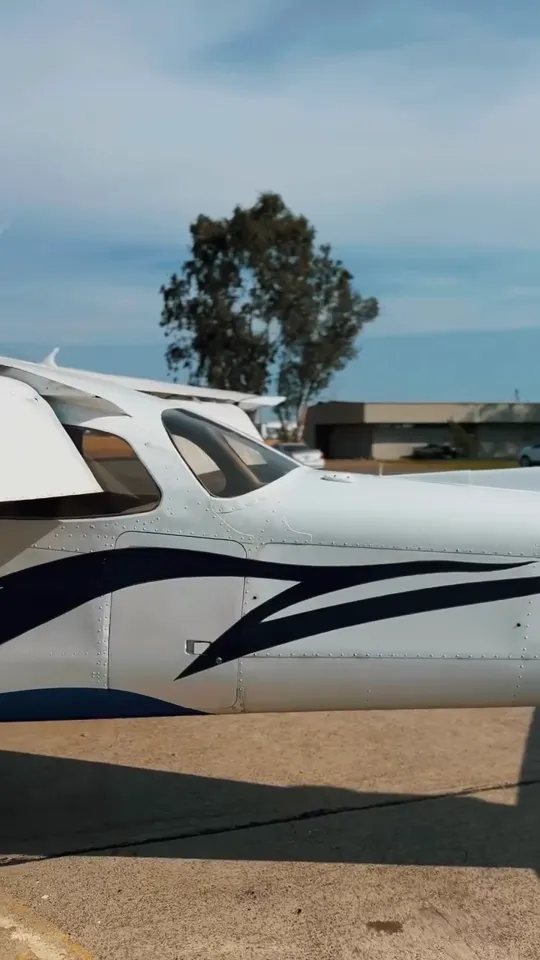
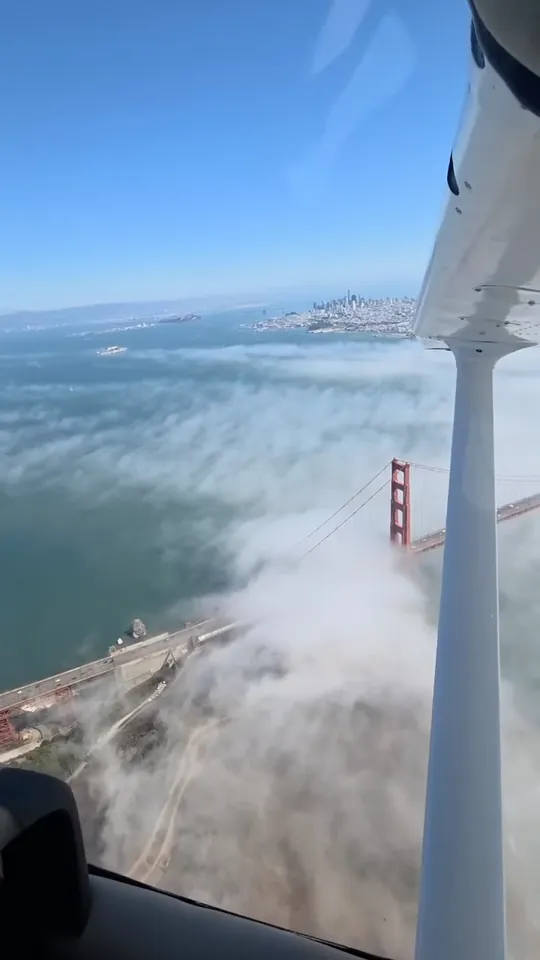
Commercial training is charts, planning and hours in the air — here is what that looks like on the flight line.
Tell Us What’s In Your Logbook
Ask About Commercial Training
Total time, PIC, cross-country, instrument — tell us what you hold and we will map out what is left, what it would cost, and the order to do it in.