
Non-U.S. Citizens · TSA Approval Required
Training If You Are Not A U.S. Citizen
You do not have to be a U.S. citizen to train with us. You do have to be lawfully in the United States and eligible to train, and the TSA has to approve you before covered flight training begins.
Check These Two Things First
Two conditions decide whether we are the right school for you, and both are quick to check.
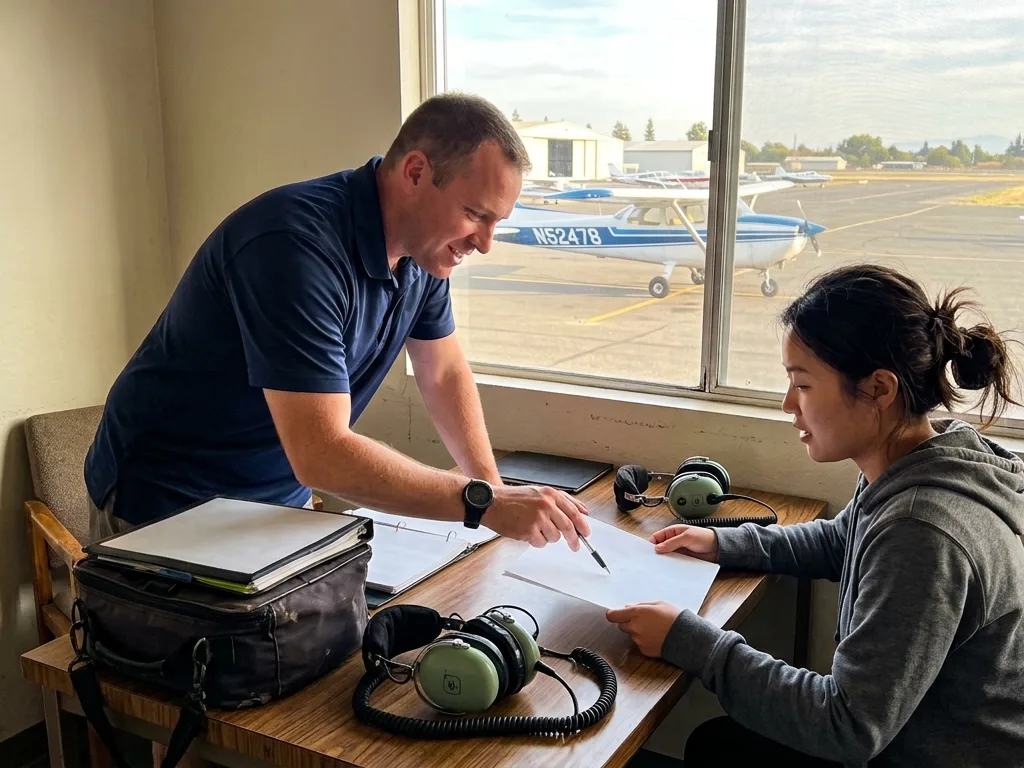
- You are lawfully in the United States and eligible to train. If that is you, get in touch — the rates, the aircraft and the instructors are exactly the same as for anyone else.
- You do not need us to sponsor a visa. We train under Part 61 rather than as an SEVP-certified school, so a Form I-20 and an M-1 student visa come from an SEVP-certified provider instead.
- Immigration questions belong with a qualified immigration adviser. What we can tell you precisely is what the TSA requires on the training side, and we will walk you through it.
- Your TSA approval comes before covered training starts. We register as your training provider and endorse your request as soon as you are ready.
Flight training for non-U.S. citizens is governed by the TSA’s Flight Training Security Program, which applies at every flight school in the country. It is the TSA’s programme rather than ours, and the rules are published on their site — read them there and hold us to them. We have taken students through it before and will guide you at each step.
TSA Flight Training Security ProgramThe TSA Security Approval
- You
- Applicant
- Create and manage your own application, pay the government fee, and provide your documents and fingerprints as required.
- We
- Training provider
- Register as your training provider and endorse your training request.
- Nobody
- Before approval
- Starts covered training before the approval is in place.
- Timeline
- 3–6 weeks
- The usual turnaround. The TSA sets the pace, so start the application before you book travel or time off around your training.
The parts that decide whether your training starts when you planned it to.
Start the Application Early
Plan on three to six weeks for the approval, and start it before you arrange time off work or book travel around a block of training. Students who apply first almost always fly on the week they intended to.
Tell us at your first enquiry that you will need it, and we will register as your training provider straight away so your side of the paperwork is the only thing left.
Book a discovery flightOne Approval Per Rating, Not One Forever
The approval you hold is tied to the category of training it was requested for. When you come back for an instrument rating, or move across to the twin for a multi-engine rating, that is a new category and it goes through the programme again — the same three to six weeks, on the TSA’s schedule rather than yours.
This is the part that catches people out, because nothing about the first approval suggests there will be a second. The current categories and what each one covers are published by the programme itself, so read them there before you plan a year of training around a single application. Tell us which rating is next and we will file our side of the request while you are still flying towards the one before it, so the waiting happens in the background instead of between two blocks of training.
TSA Flight Training Security ProgramWhat We Will Ask You For
Your passport; evidence of your lawful status or presence in the United States; contact details; your FAA certificate and medical, if you already hold them; and the TSA documents and approval that apply to the specific category of training you are doing.
The definitive list comes from the official TSA portal and the current rules, not from a marketing page — including this one. We will walk you through it on the phone before you spend anything.
Contact usWhat Would Actually Stop You
The thing most people expect to disqualify them does not. A foreign passport is not a barrier to an FAA certificate, and neither is a foreign address on your documents, a licence issued somewhere else, or never having touched an aircraft before. You are checked on the same things as anyone else, plus the security approval.
Two of those checks decide it, and both are worth settling before you spend money on flying. The first is medical: you need at least a third-class FAA medical certificate, issued by an FAA-designated aviation medical examiner, before you fly solo, and a condition nobody asked about in advance is the usual reason a plan stalls. The second is the TSA approval, which the agency grants or refuses — that decision is not the school’s to make, and no school can promise you the outcome.
- Age is not one of the gates. The rules set a minimum, not a maximum — what decides it is the medical certificate, not your birthday.
- English is a proficiency requirement, not a first-language requirement, and it is tested rather than assumed.
- If you already hold a licence from your own country, bring it to the first conversation. It changes what is left to do here.
We Have Done This Before
We have taken non-U.S.-citizen students through the Flight Training Security Program before, and we know the points where an application usually stalls — a document that does not match the passport, a fingerprint appointment booked too late, a category of training entered incorrectly.
Call before you start and we will go through the sequence with you, so the application goes in right the first time.
What It Costs, And What You Do Not Pay Us
Schools built around international students usually sell a programme: one price for a fixed number of hours, an enrolment agreement signed before you arrive, and a figure that reaches well into six digits at the top of the market. What that price buys is visa sponsorship and a cohort with a start date. If you are already lawfully here and do not need either, you are paying for a structure you will not use.
There is no programme price here because there is no programme. Flying is $110 an hour with the aeroplane, the fuel and your instructor all inside that number, bought an hour at a time. Nothing on the invoice changes because your passport was issued somewhere else.
- $110 an hour, aircraft and instructor together, for every rating we teach.
- $200 for a discovery flight for one person, $300 for two or three, if you want to see the place before committing to anything.
- A private certificate typically runs $11,500–$13,000 in total, an instrument rating $8,000–$12,000. What moves those numbers is your hour count, not your nationality.
- No enrolment fee, no deposit, no international surcharge. The TSA fee you pay to the programme directly, not to us.
A Flight School, Not A Campus
We fly from Sacramento McClellan Airport, ten minutes north of downtown, every day from 7 in the morning until 7 in the evening. There is no intake date and no cohort, so you book the hours you can actually fly — five days in a row while you are in California, or one evening a week around a job.
The whole school is two instructors: Denis Vyatkin, who owns it, and Sergio, who takes most beginners. You keep the same one from your first lesson to your checkride, which matters more than it sounds like it should when English is your second language and the briefing is where the learning happens. Four aircraft sit on the ramp, including a Piper Seminole, so a multi-engine rating later does not mean finding another school for it.
The four aircraftTraining in Russian
Denis Vyatkin, who owns the school, instructs in English and in Russian. Russian-language instruction is booked by appointment — tell us when you enquire and we will build your schedule from there.
The FAA requires English proficiency to hold a pilot certificate, and the knowledge test is in English. That does not change. What changes is how quickly a difficult concept lands when it is first explained in your own language and then practised in English.
Meet the instructorsCan I train at DIVA Flight School Sacramento on a tourist visa?
Whether a particular visa status permits flight training is an immigration question, and a qualified immigration adviser is the right person to answer it for your situation. Once you know your status allows it, we can tell you exactly what the TSA requires on the training side and get you started.
Do you issue an I-20 or sponsor an M-1 visa?
Those come from an SEVP-certified school. We train under Part 61 for students who are already lawfully in the U.S. and eligible to train, so if you need visa sponsorship an SEVP-certified provider is the right place to begin.
How long does TSA approval take?
Usually three to six weeks. The TSA sets the pace, so apply before you make travel or work arrangements around your training and you will be ready to fly when you planned to.
Do I need to speak English?
Yes — the FAA requires English proficiency for a pilot certificate and the knowledge test is in English. Instruction can be given in Russian by appointment, which helps a great many students get there faster.
Is there anything apart from citizenship that could disqualify me?
Citizenship was never the requirement. The two things that genuinely gate your training are a medical certificate — at least a third-class FAA medical before you fly solo — and the TSA security approval, which the agency grants rather than the school. If there is a medical condition you are unsure about, ask an aviation medical examiner before you book anything else.
Do I need a new TSA approval for each rating?
Plan on it. The approval is tied to the category of training it was requested for, so an instrument rating or multi-engine training later goes through the Flight Training Security Program again, with the same three-to-six-week wait. The programme publishes the current categories. Tell us what is next and we will file our side early, so the waiting overlaps with flying you are already doing.
I am in my forties. Is it too late to start?
No. The rules set a minimum age, not a maximum one, and what decides whether you can train is the medical certificate rather than your age. Starting later usually changes the schedule you fly on, not the certificate you end up with.
Is there an extra charge for international students?
No. Same rates, same instructors, same aircraft. You pay the TSA fee directly to the programme.
From The Flight Line
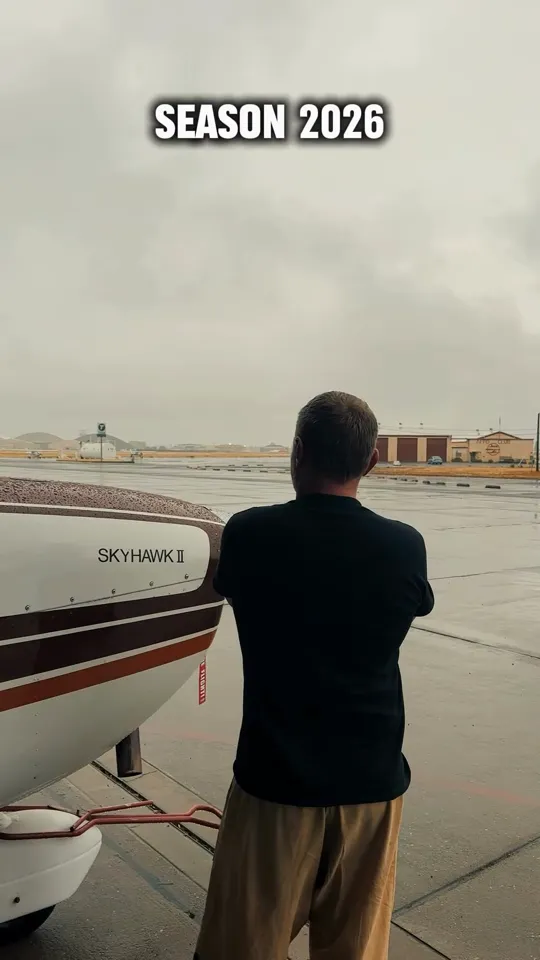
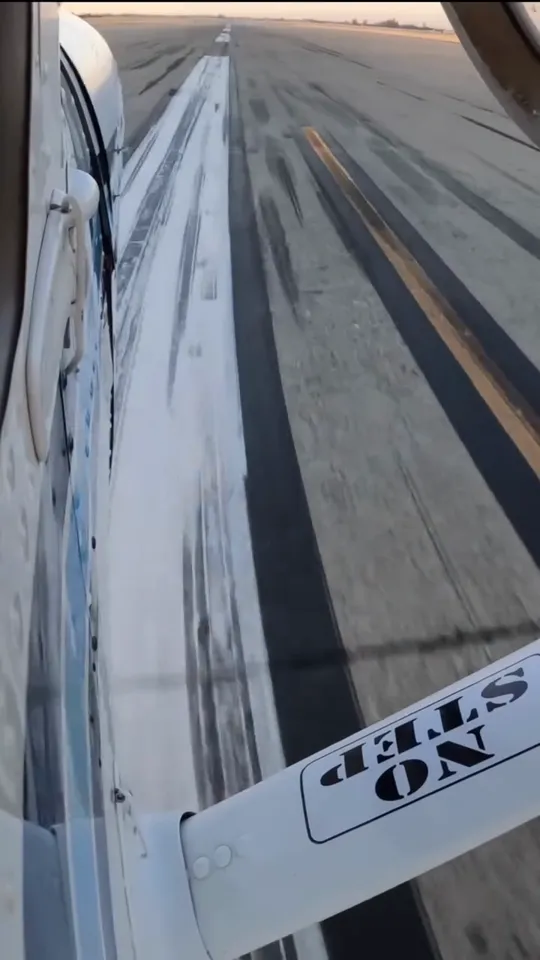
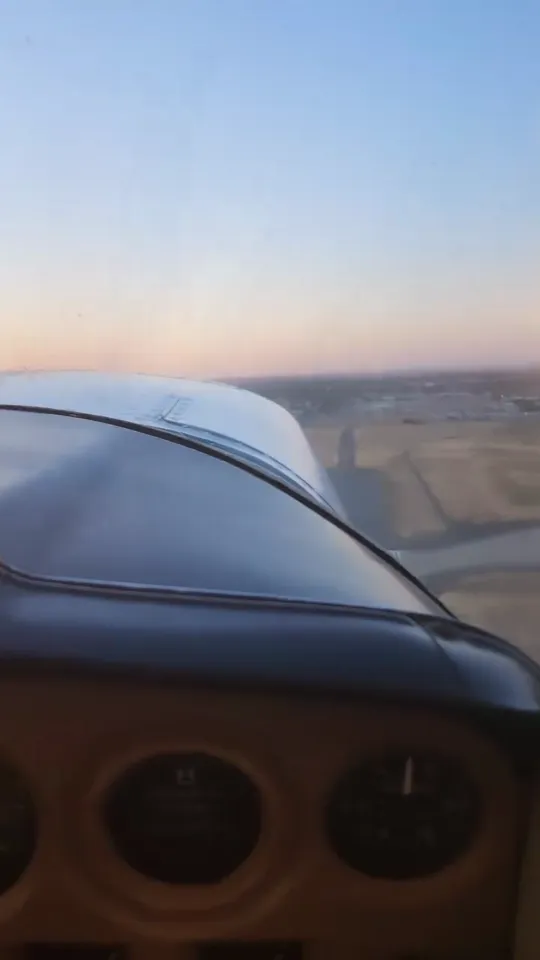
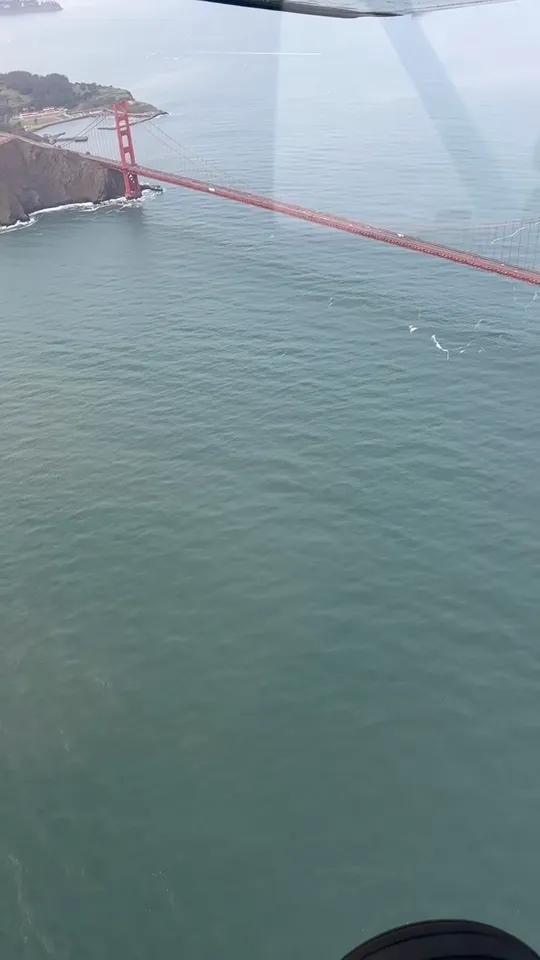
The school as it flies — straight from its Instagram.
Start With A Phone Call
Ask About Training
Tell us where you are, what status you hold and what you want to fly, and we will walk you through the steps on the phone before you spend anything.