

The Visit, In Order
What Happens On A Discovery Flight
A discovery flight is a first flying lesson that you are allowed to walk away from. You sit in the left seat — the pilot’s seat — an instructor sits beside you, and at some point in the air they take their hands off the controls and you fly the aeroplane. That is the whole idea. This guide is the visit in order, from the car park to the debrief, so nothing about the day is a surprise.
Before You Come
Plan on about 90 minutes at the airfield. Roughly 45 of those are in the air. The rest is briefing, walk-around and debrief, and skipping them would make it a sightseeing ride instead of a lesson.
Bring photo ID
A government-issued photo ID. This is an airport, and you will be going through a controlled entrance.
Flat shoes, comfortable clothes
You will be climbing in and out of a small aircraft and walking around on a ramp. Sunglasses are genuinely useful — non-polarised ones are better, because polarised lenses can make some instrument displays hard to read.
Eat something first, but not too much
Flying on an empty stomach is worse than flying on a modest one.
Check the weather with us, not just your phone
A day that looks fine from the ground can still be unsuitable for a first lesson. Call (279) 777-9570 if you are unsure — the office answers Monday to Friday, 10:00 AM to 5:00 PM, and we would rather stop you before you drive out.
Arriving
We are at 3028 Peacekeeper Way, McClellan Park, CA 95652.
Enter McClellan Park from Watt Avenue, follow Peacekeeper Way, and park in the guest spaces in front of the main FBO entrance. Come into the lobby and give our name at the desk, or call the number on your confirmation.
Do not walk through the gate or onto the ramp on your own. If the outer door is locked, call and your instructor will come and meet you. Anyone coming with you can wait in the FBO customer lounge.
Full directions, parking and arrival detailThe Briefing
Your instructor sits down with you before anything else and covers three things: what you are going to do in the air, how the controls work, and who is flying the aeroplane at any given moment.
That last one matters and is worth stating plainly. The instructor is the pilot in command for the entire flight. You will be flying the aircraft for much of it, but every decision — whether to go, which way to go, when to stop — belongs to them.
Positive exchange of control is a phrase you will learn in the first five minutes: whoever has the controls says so out loud, and the other person confirms it.
This is also where you can ask anything. Nobody expects you to know a word of it yet.
The Walk-Around
You go out to the aircraft together and do the preflight inspection — the physical check a pilot does before every single flight, without exception.
Your instructor walks you through it: control surfaces, tyres, fuel, oil, the things that are supposed to be attached and the things that are supposed to move.
Most people find this the part that changes their mental picture of flying. It is unhurried and it is a checklist, and the whole culture of the thing turns out to be closer to a careful procedure than to anything dramatic.
You will be flying our Cessna 172S — a four-seat, high-wing training aircraft. High-wing means the wing is above the cabin, so the view downward is unobstructed.
The aircraft you will flyIn The Air
You will be in the left seat with your hands on the controls for the taxi out, and the instructor will handle the radio. Take-off is normally flown by the instructor with you following along on the controls, so you can feel what they are doing.
They hand you the aircraft
Once you are clear of the traffic pattern. Most people are surprised how soon that happens. You will do the basics: climbs, descents, gentle turns, and holding a heading and altitude — which is harder than it sounds and is the moment most people realise they are actually flying.
The standard route
It leaves McClellan, follows the American River, takes in the Sacramento skyline from a safe distance, and comes back to KMCC. On a clear day the Sierra Nevada sits on the eastern horizon and the Sutter Buttes stand up out of the valley to the north.
The route can change
For wind, visibility, traffic, a temporary flight restriction or an ATC instruction. Your instructor decides on the day, and that decision is not negotiable — that is what pilot in command means. You are in the air about 45 minutes.
After You Land
The instructor lands the aircraft, you taxi back, and there is a short debrief: what you did, what surprised you, and what learning to fly properly would involve from here.
Nobody will ask you to commit to a course, put down a deposit, or decide anything at the desk. If you want to book another lesson you can, and if you want to go home and think about it, that is the expected outcome as often as not.
One thing worth knowing: if you sat in the student’s seat, took the briefing and flew the aircraft under supervision, your instructor can log it as dual instruction received toward a certificate. The discovery flight is not a separate thing from training — it is the first hour of it.
What the private pilot certificate involvesWho Can Come, And Who Can Fly
- Minimum age 12
- To fly a discovery flight
- With a parent or guardian present to sign. A full training programme starts at 14.
- Up to three people fly
- On the $300 option
- The aircraft has four seats and the instructor takes one. Anyone not flying waits in the FBO customer lounge.
- 250 lb per guest, 450 lb per group
- For an online request
- A guideline, not a guarantee of a seat — the pilot in command makes the final call after a weight-and-balance calculation that accounts for fuel, baggage and temperature.
- Handheld cameras are fine
- Once briefed
- Mounted or external cameras need written approval and are usually a no.
What It Costs, And What If It Is Cancelled
$200 for one passenger, $300 for two or three flying together. That covers the aircraft, the instructor, fuel, ordinary taxes and airport fees.
If we cancel for weather, we reschedule free and it does not count against the two reschedules a booking allows. If you need to change it, we ask for 24 hours' notice. Arriving more than 20 minutes late may mean the slot cannot be flown, because the aircraft is booked after you.
Book a discovery flightThen What?
The next step is ordinary lessons: $110 an hour all in, paid as you go, with no enrollment fee and no membership.
What the private pilot certificate involves
The stages, the requirements, and what each one involves.
Private pilot trainingHow long it takes
Two numbers — flight hours and calendar months — and why the second surprises people.
How long it takesWhat it costs, in full
Every line, including the third-party fees we do not charge and do not receive.
What it costsFrom The Flight Line
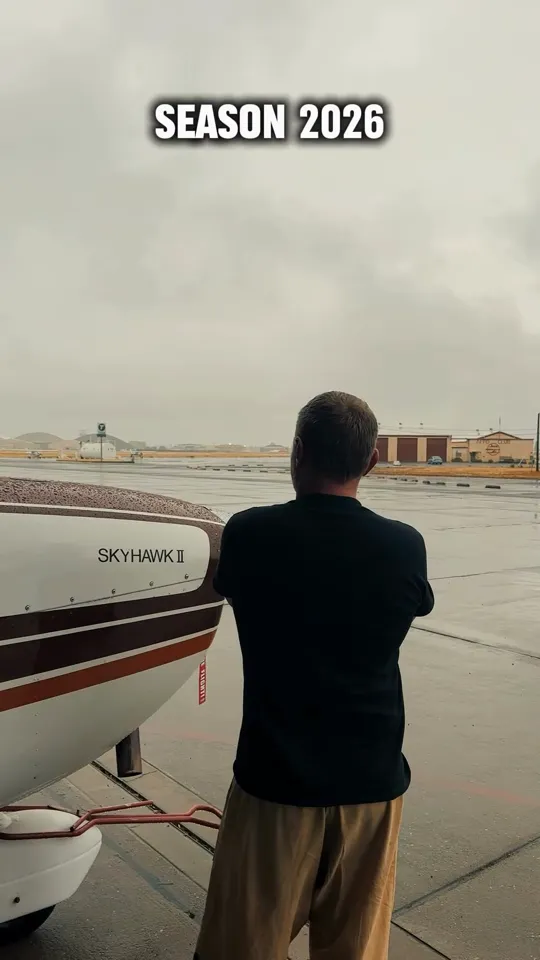
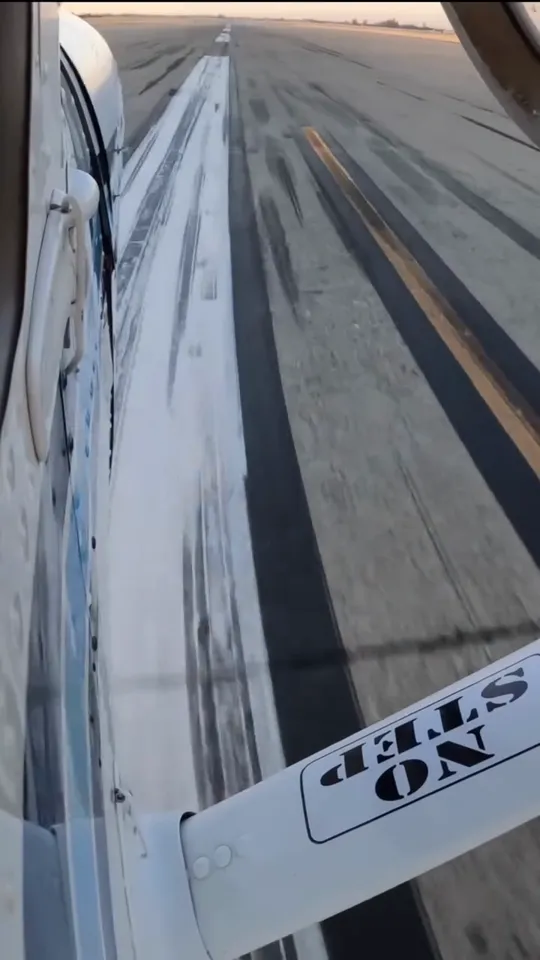
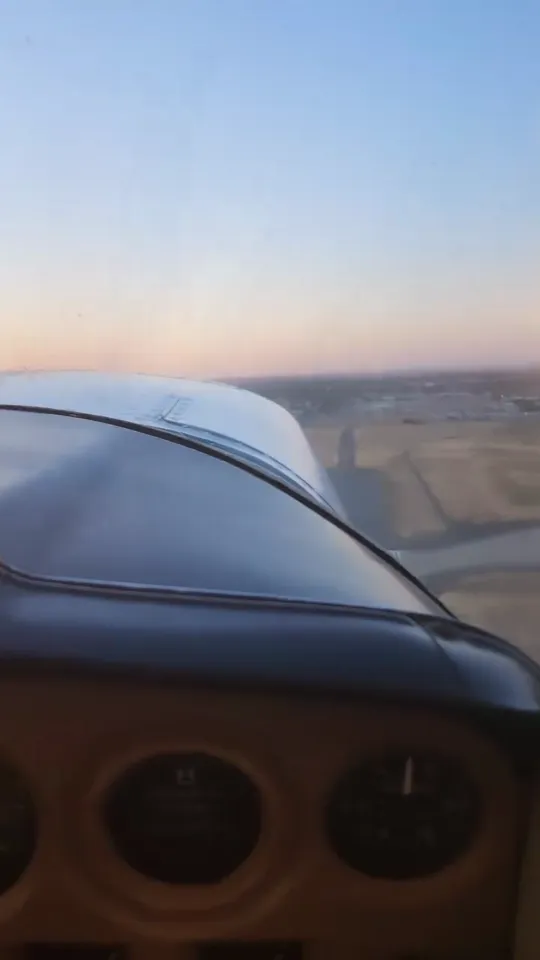
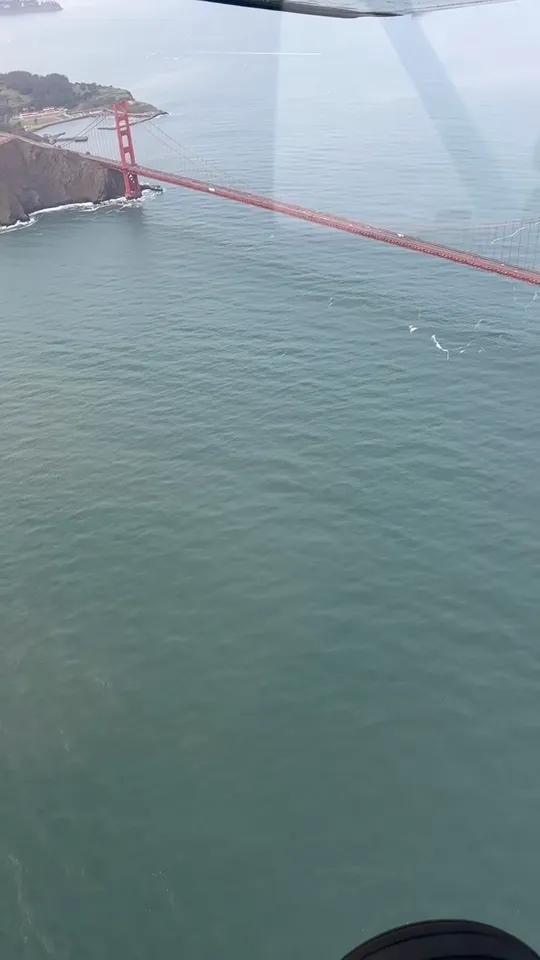
The school as it flies — straight from its Instagram.
One Flight, Then You Decide
Ready To Fly?
Book a discovery flight, or ask a question first — call (279) 777-9570 Monday to Friday between 10:00 AM and 5:00 PM.