
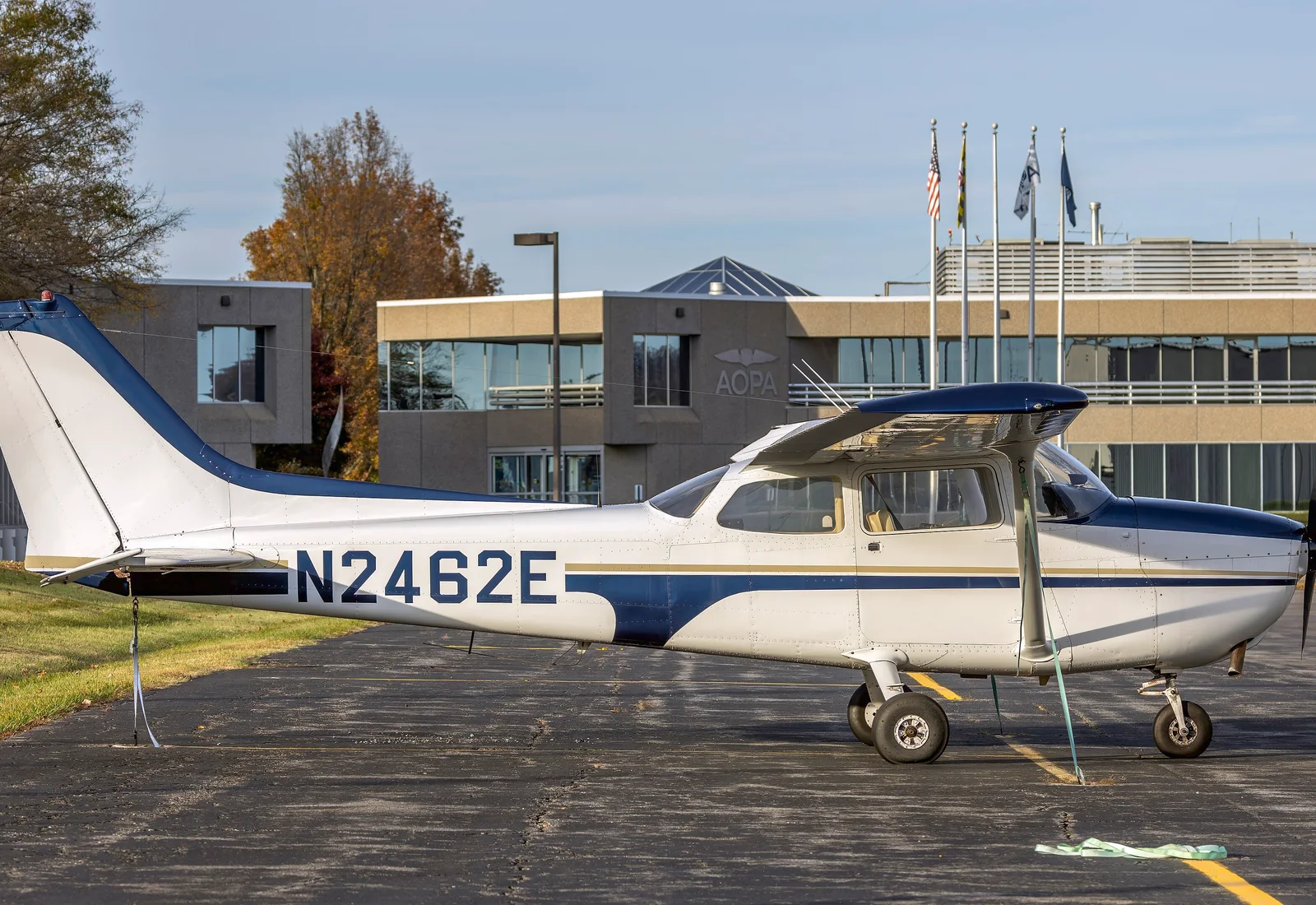
Four Aircraft · Trainer To Twin
The Aircraft You’ll Train In
A two-seat trainer to learn in, two four-seat Cessnas for the private certificate and the instrument rating, and a Piper Seminole for the multi-engine rating — so the whole ladder is flown here rather than partly at somebody else’s field.
The Aircraft, Day To Day
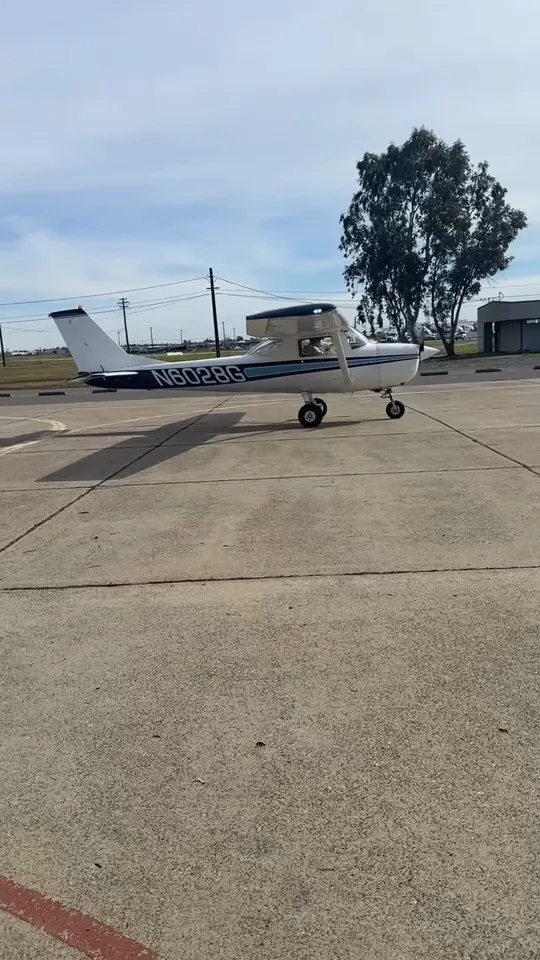
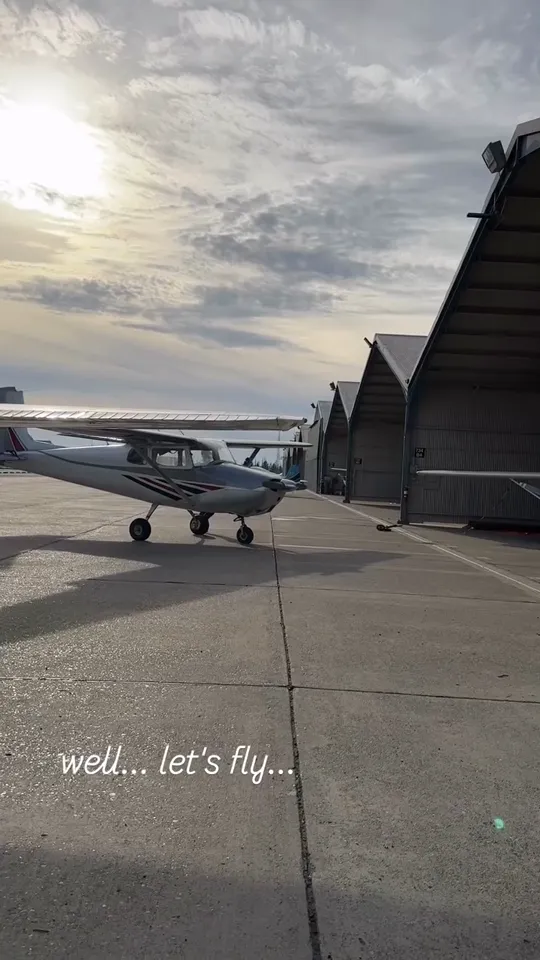
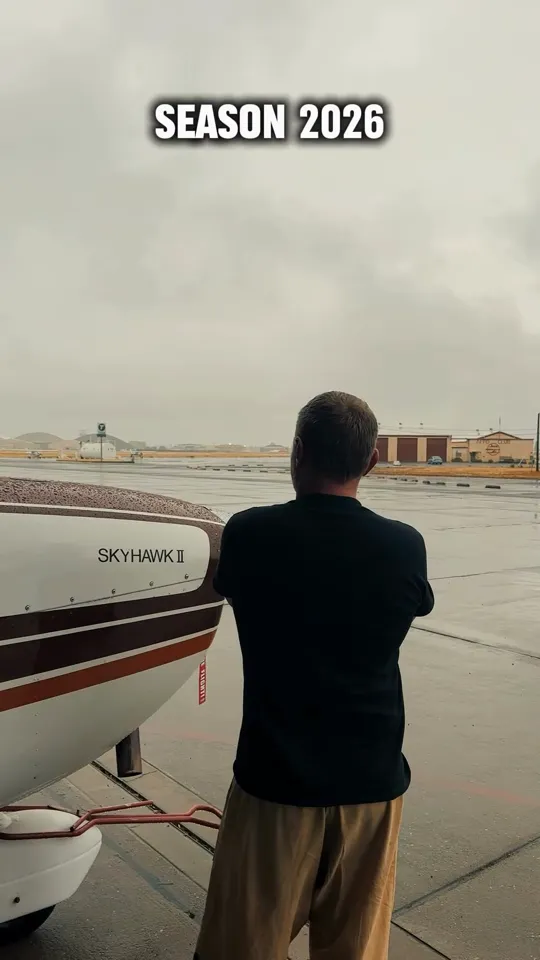
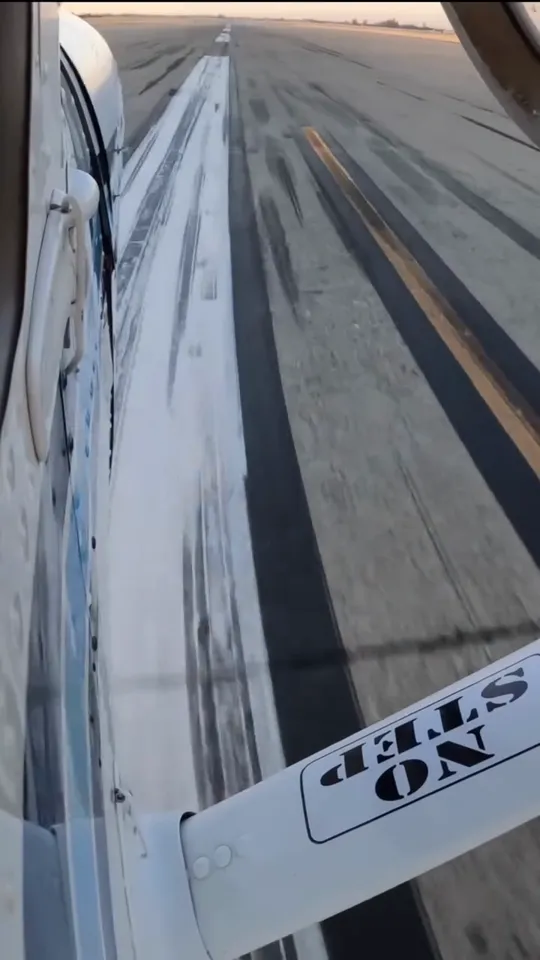
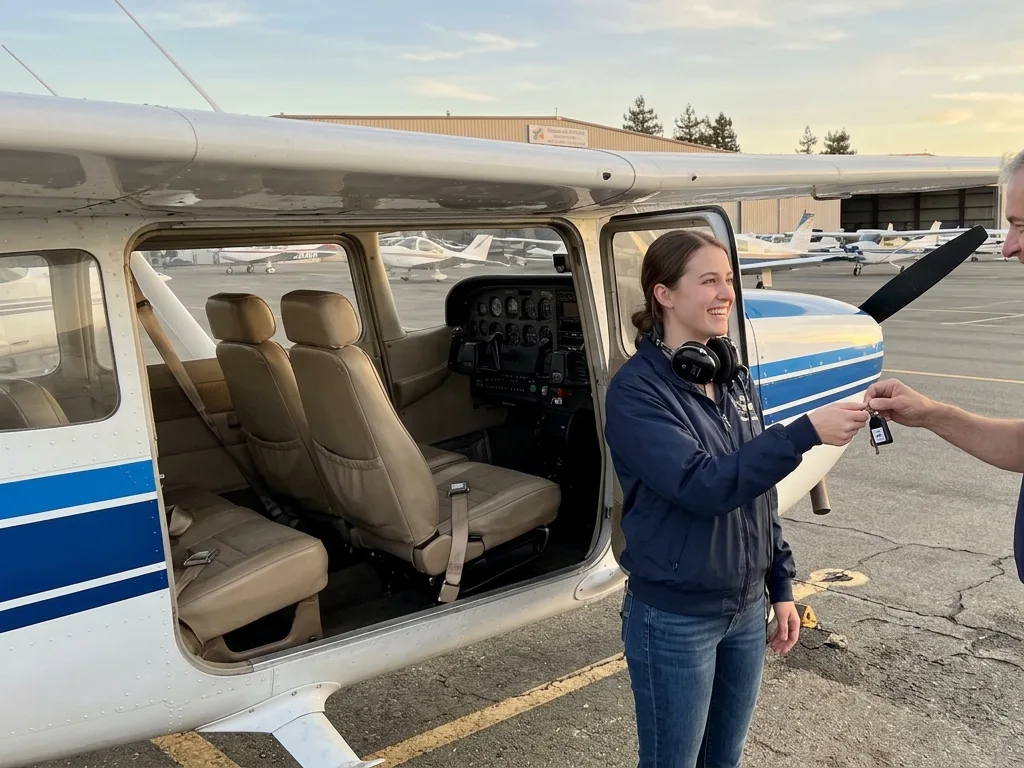
The fleet as it lives — on the ramp and in the hangar at McClellan, from the school’s Instagram.

What It Costs To Fly
$110an hour of flight education, all in
One rate covers the aeroplane and the instructor sitting beside you, with aviation fuel and oil included. It is the same rate whatever you are training for. Refuel away from McClellan and we credit the fuel at our current price per gallon against your receipt; anything above that is yours.
- $0
- separate instructor charge
- $0
- membership, enrollment or deposit
Why Four Aircraft
Each one is the cheapest aeroplane that will teach the next thing. That is the whole logic of the fleet, and it is what keeps a certificate from costing more than it needs to.
- Learn the basics in the Cessna 150 — two seats, simple systems, and the lowest hourly cost here for the circuits you will repeat most.
- Move to the four-seat 172N for the private certificate, cross-countries and instrument training, in an aircraft that carries passengers afterwards.
- Meet glass in the G1000-equipped 172S, before an employer assumes you already know it.
- Take the multi-engine rating and the MEI in the Piper Seminole, without changing schools to do it.
- Instrument training is flown in the air rather than in a simulator, in the weather you will really fly in.
- One instructor follows you across all four, so the aeroplane changes and the person teaching you does not.
Book ahead and the aircraft is yours for the slot. Regular students hold a repeating weekly booking, weekends go first, and maintenance is scheduled around the diary — so tell us at the start which day suits you and we will keep it. Availability depends on maintenance and scheduling, which is why we confirm the aircraft when we confirm the lesson.
What Each One Is For
- Cessna 150
- Two seats
- The primary trainer and the time-building aeroplane. Simple systems and the lowest hourly cost in the fleet.
- Cessna 172N
- IFR-equipped
- Four seats and an IFR panel. Private pilot training, instrument training and cross-country flying.
- Cessna 172S
- Garmin G1000
- The glass-cockpit aeroplane, for advanced avionics, instrument and commercial training.
- Piper PA-44 Seminole
- Twin
- The multi-engine trainer, for the multi-engine rating and the MEI.
- $110 an hour
- All in
- The aircraft and your instructor together, aviation fuel and oil included.
Three things worth knowing before you compare our hourly rate with anyone else’s.
The Panels
You learn on traditional instruments and add the electronic displays afterwards, which is the order most examiners want to see and the order that leaves you able to fly the aeroplane when a screen goes dark.
The 172N is IFR-equipped, which is what lets the instrument rating be trained in it — flown in the air, in real conditions, rather than in a simulator. The 172S carries the Garmin G1000 glass panel, so you meet an integrated flight deck here rather than for the first time in a job interview.
None of the single-engine trainers has an autopilot, so you hand-fly everything. For a training aircraft that is a feature: it is what builds the stick-and-rudder habits an examiner is looking for.
Multi-engine training in the SeminoleWhat They’re Used For
Discovery flights, private pilot training, instrument training, commercial, CFI and CFII training, multi-engine and the MEI, and cross-country flying — every certificate and rating we teach is flown on one of these four.
Private pilot trainingSeats, Weight and Who Fits
The four-seat Cessnas seat three besides the instructor, so a discovery flight carries up to three guests. We work to a guideline of about 250 lb per guest and 450 lb for the group, and baggage for a group is limited to roughly 10 lb in total and has to be secured.
Those are guidelines, not a guarantee of a seat. The pilot in command makes the final decision after a weight-and-balance calculation using everyone’s actual weight, the fuel on board, baggage and the temperature. The legally binding limits come from the aircraft’s POH and that calculation, not from this page.
Book a discovery flightCan I Fly One Solo?
Solo flying is part of your training programme: our active students fly on their own once the solo is the next step in the syllabus, they hold the endorsements the FAA requires, and their instructor has authorised that flight in writing. It is billed at the usual hourly rate rather than as a rental.
If you already hold a certificate, that is a different question, and the next section answers it.
Private pilot trainingIf You Already Fly
This is not only a student fleet. A pilot who already holds a certificate uses it three ways: aircraft rental, which is available after a checkout, document verification and the renter requirements; getting current again, whether that is the flight review or the landings you need before carrying a passenger; and the next rating, from the instrument through to the MEI in the Seminole.
Which aeroplane you can take, and how long the checkout runs, depends on what you hold and on what you have been flying lately — so that part is a phone call rather than a table. The rental page has what to expect before you make it: the documents to bring, the currency the FAA asks for, where insurance sits, and what an hour costs at the fields around Sacramento.
Renting an aircraft at McClellanRefuelling Away from McClellan
If you refuel away from the field, we credit the fuel at our current price per gallon against your receipt; anything above that price is yours.

Maintenance
Maintenance And Safety
Every aircraft is maintained under the applicable FAA requirements, through 100-hour and annual inspections, and none is dispatched with an unresolved condition affecting airworthiness. The decision to release one belongs to the authorised mechanic and to the pilot in command, each within their own authority. Local FAA-certificated maintenance partners at McClellan handle inspections and preventive work.
A full walk-around happens before every single flight, and from your very first lesson you do it alongside your instructor — control surfaces, tyres, fuel and oil — rather than being told afterwards that it was done.
Before You Spend Anything
Come And Look At Them
Call ahead and we will meet you in the lobby. Standing next to the aeroplanes and asking whatever you like costs nothing, and it tells you more than any web page can.